Location:
Mexico City, México
Photographer:
Rafa Amezcua
Director: Alejandra de la Cerda
Project Manager: Arturo Ortiz
Project Lead: Santiago Maurer
Illustrator: Ireri Zaragoza
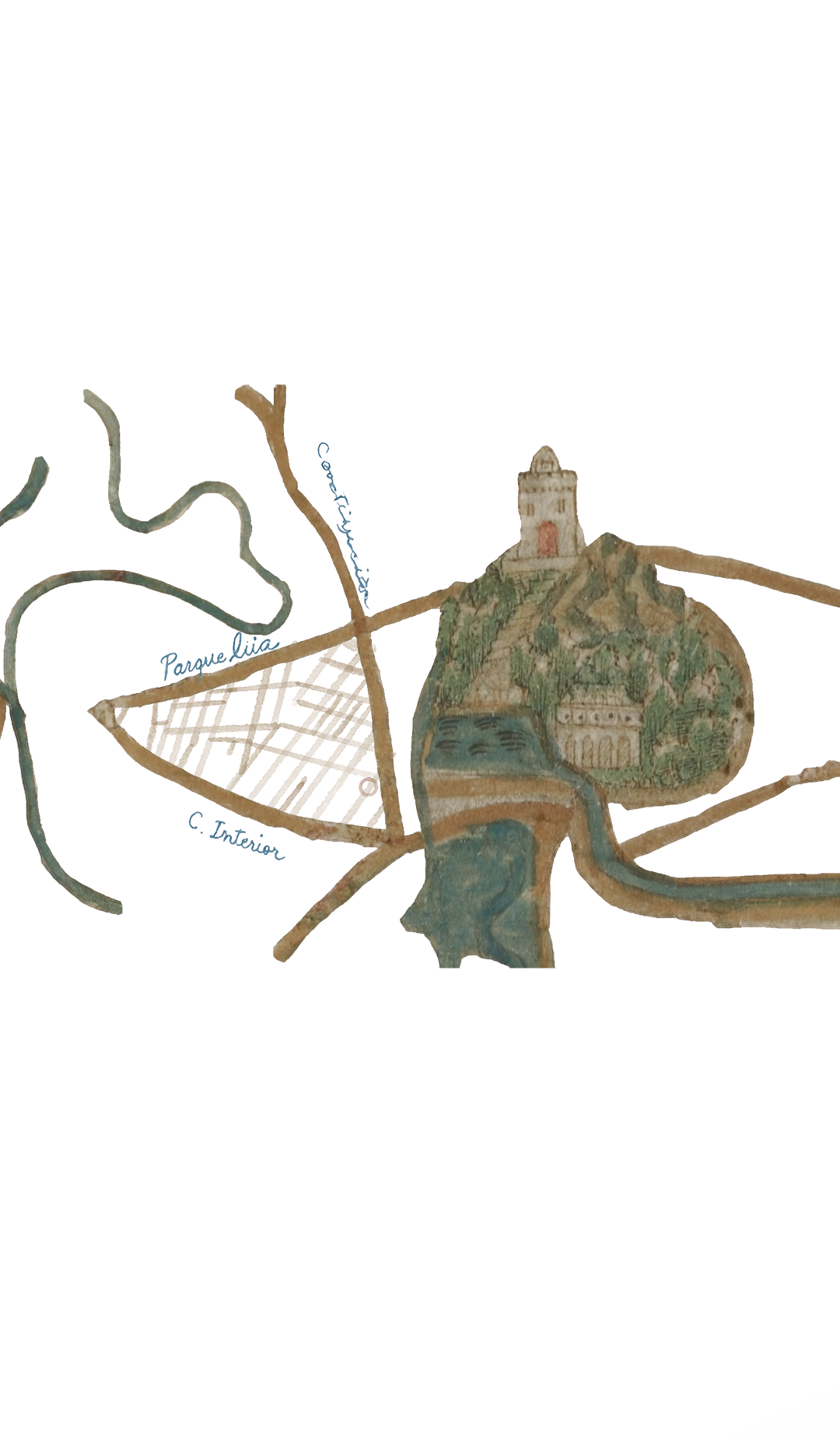
Casa Alumnos is shaped by the layers of history that surround it. In San Miguel Chapultepec, traces of water, stone, vegetation and the original house became the starting point for the project.Located in San Miguel Chapultepec, one of Mexico City’s historic neighborhoods at the foot of Chapultepec Forest, the project begins with an immersion in the area: walking its paths, understanding its history, and recognizing the layers that have shaped its identity.
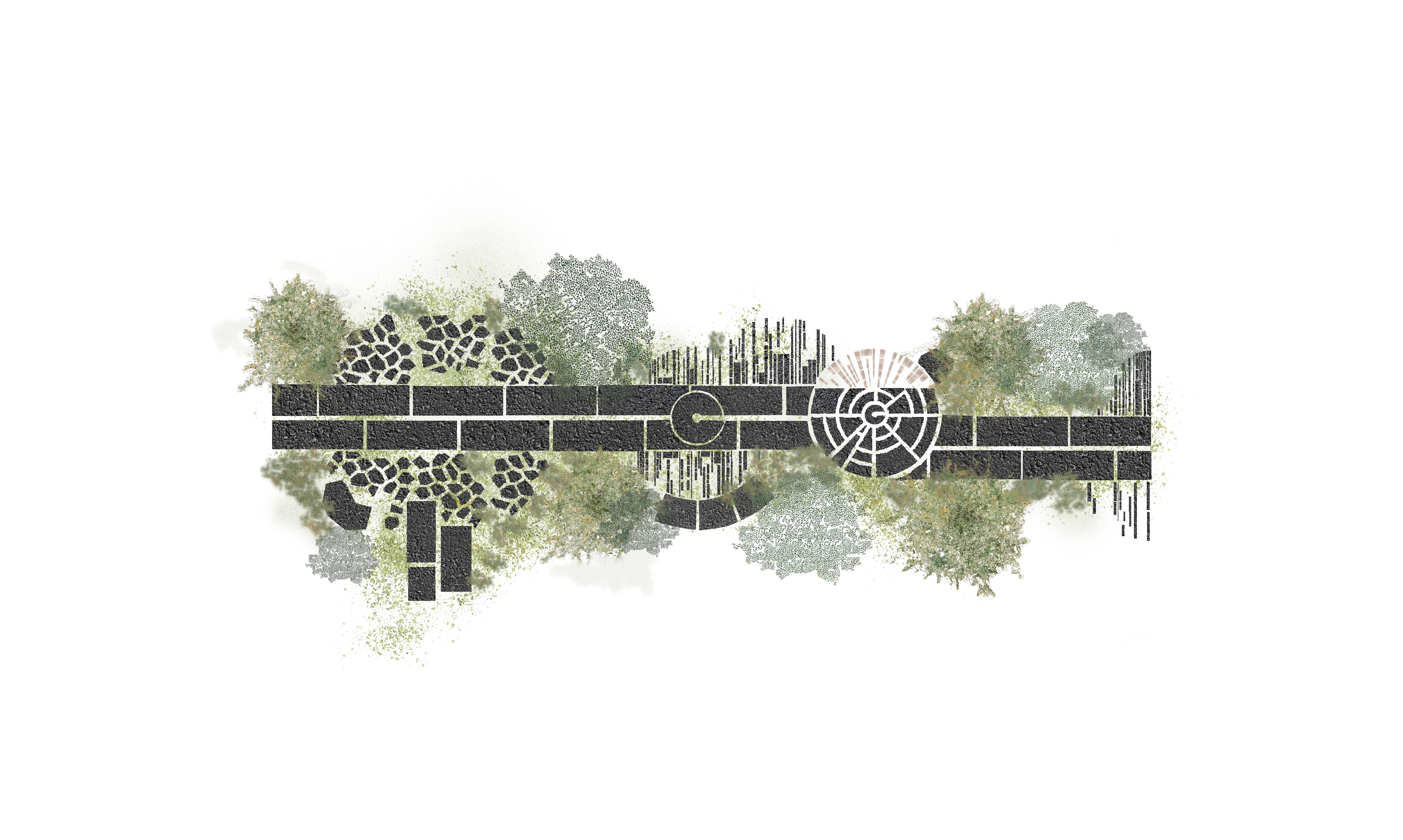
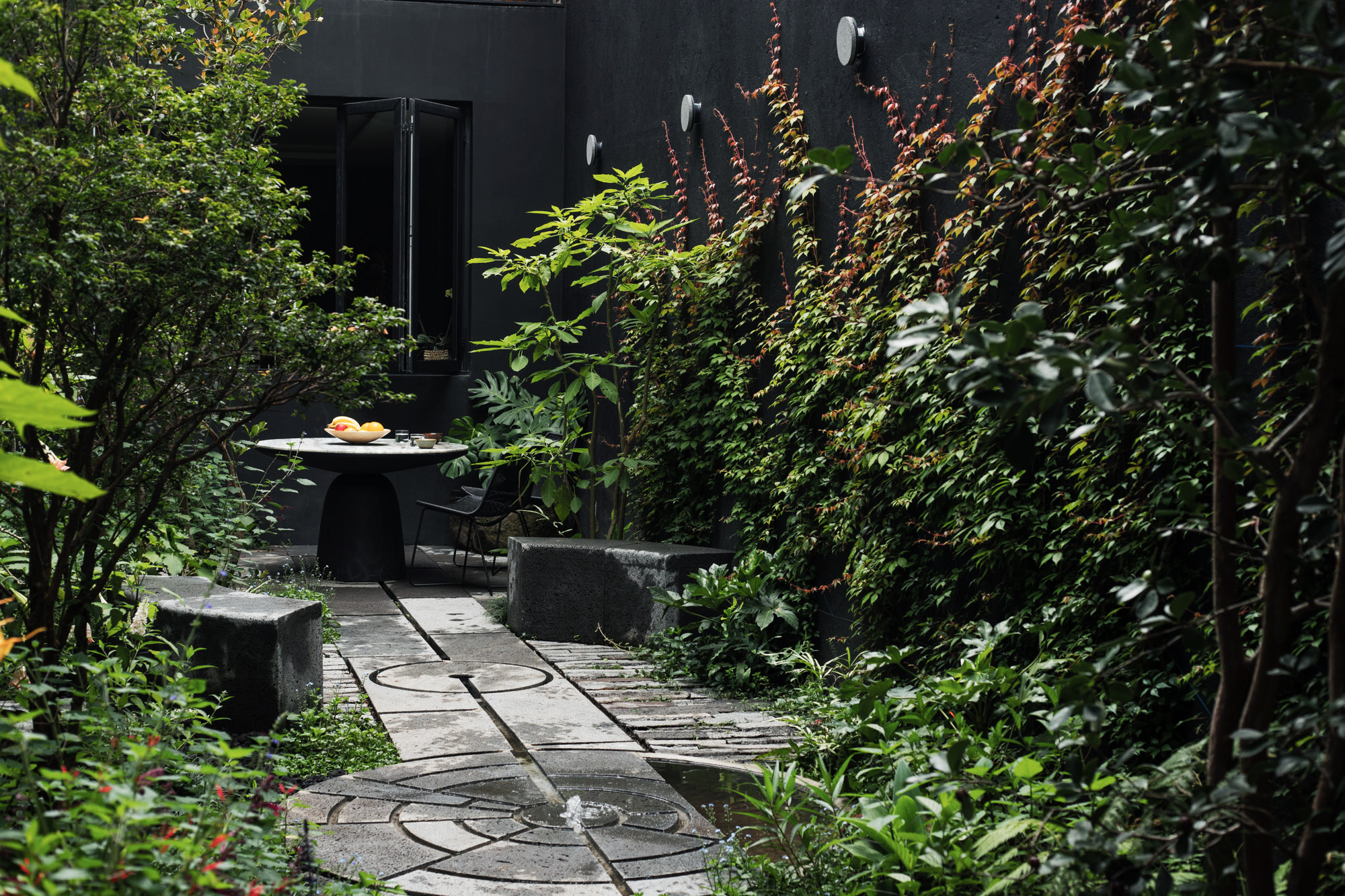
The Uppsala Map (1550), one of the earliest records of the Valley of Mexico, reveals a connection between this site and the Chapultepec landscape that spans more than five centuries. The project does not seek to reconstruct that past, but to acknowledge what remains and give it continuity.One of these memories is water. A natural spring once existed here, giving rise to the name still associated with the neighborhood market: El Chorrito. Although the spring disappeared with urban growth, its memory remains. The garden reinterprets its presence through water that flows between interior and exterior. Its sound, reflections, moisture, and the appearance of moss evoke a landscape that is constantly changing.
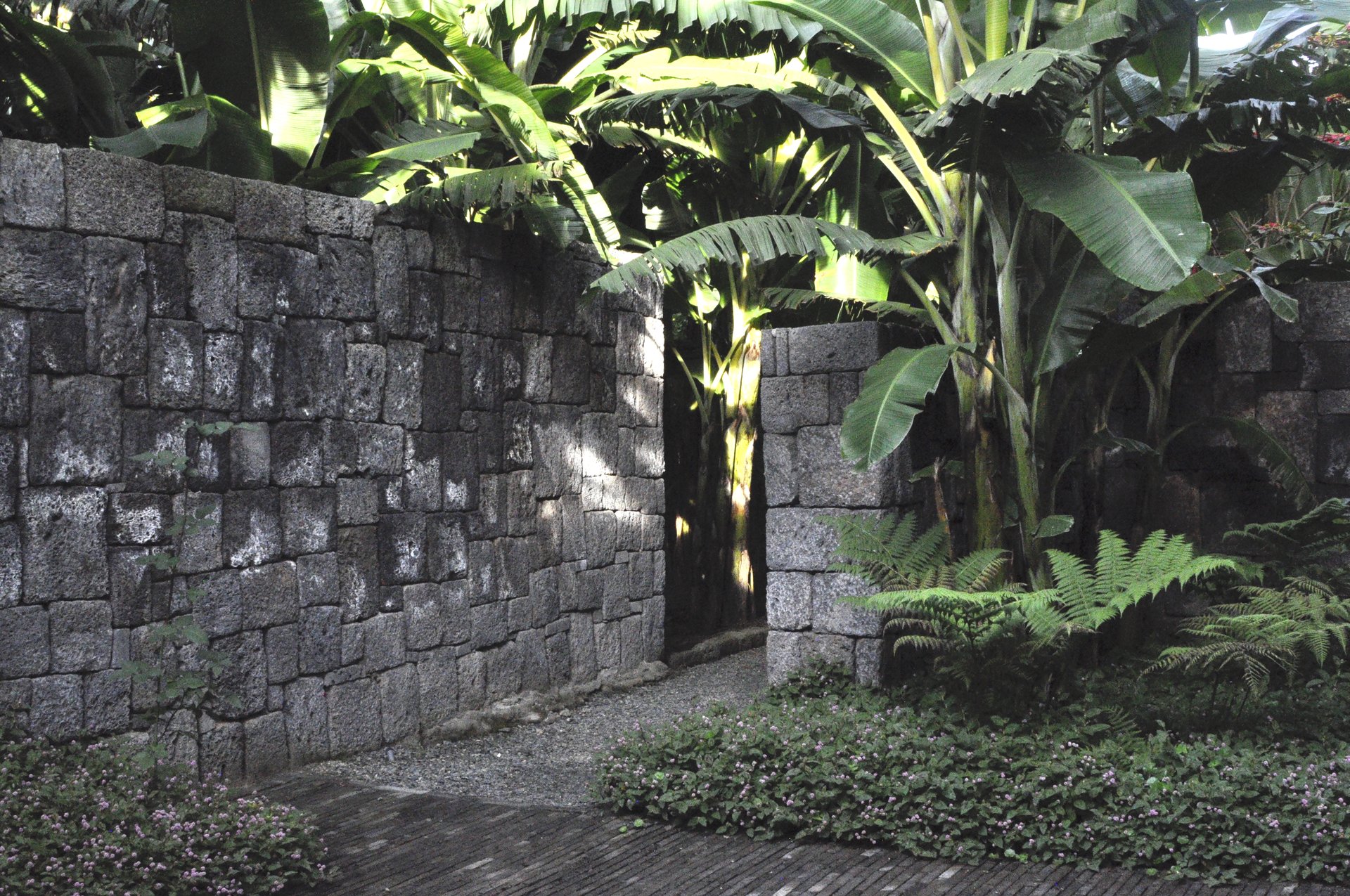
Memory is also embedded in the materials. Stone fragments recovered from the renovation of San Miguel Chapultepec’s sidewalks were incorporated into the paving. Rather than becoming waste, they now connect the house to the shared history of the neighborhood. The original elements of the house were likewise preserved and reintegrated, remaining as witnesses to the site’s history.
Vegetation completes this fabric. Organized in layers, it supports ecological processes through rainwater infiltration, shade, microclimate regulation, and habitat creation. At the same time, it introduces time into the project: plants grow, shed, regenerate, and transform the garden through the seasons.
At a moment when urban development often relies on constant replacement, Casa Alumnos proposes another approach: restore rather than replace, listen before imposing, and recognize memory as living heritage. On a domestic scale, the project shows that caring for life can begin with everyday gestures, valuing what already exists, making space for water, and allowing nature to reclaim a central role.
Because memory does not belong only to the past. It is also the material with which we build the future.



.jpg)