There is a whole world moving through a garden that most of us never notice. It drinks from drops of water, hides beneath leaves, moves through cracks in walls and soil, and sometimes passes its predator without either one seeing the other. This is the world Shams Hazim designs for.
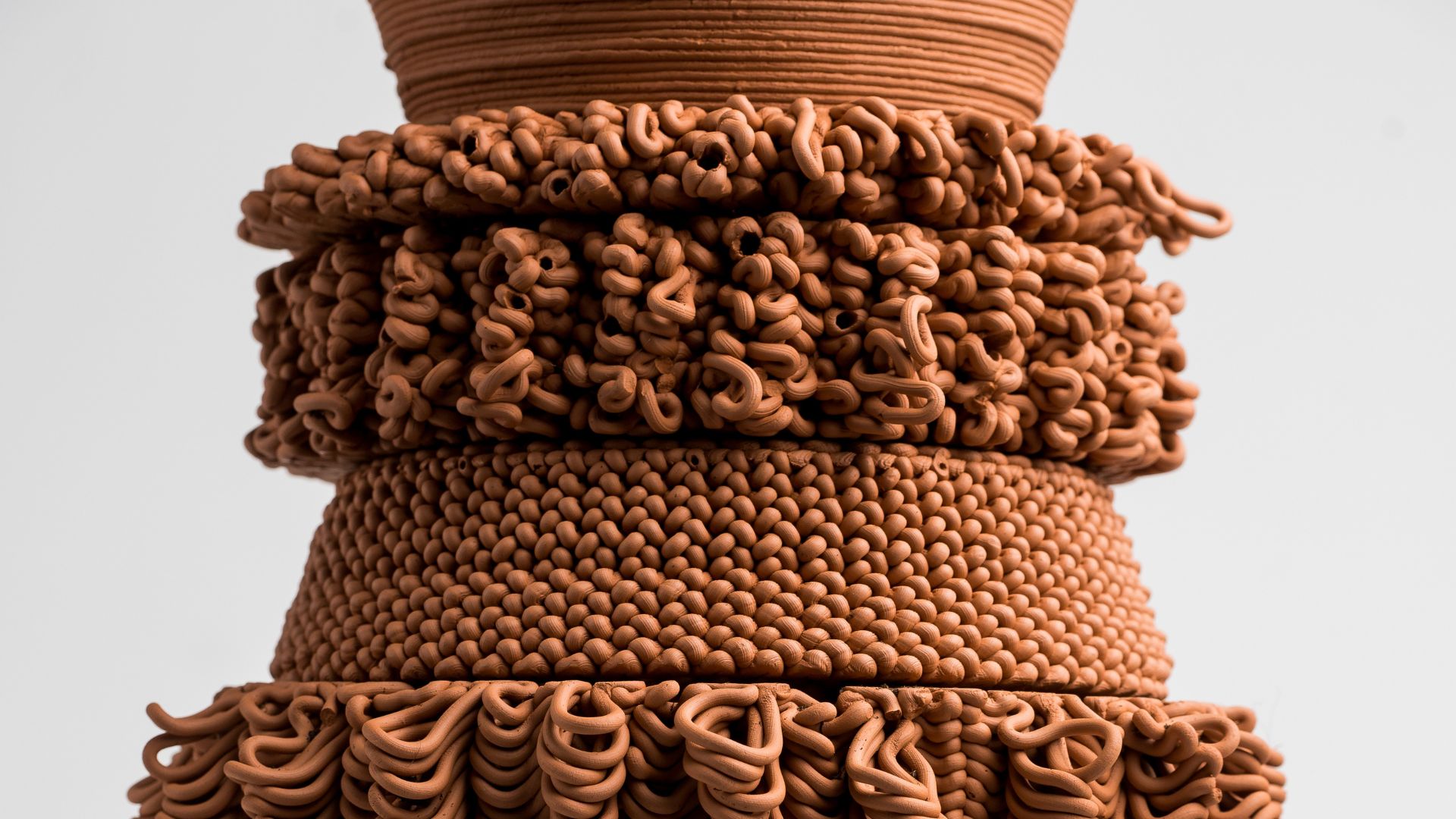
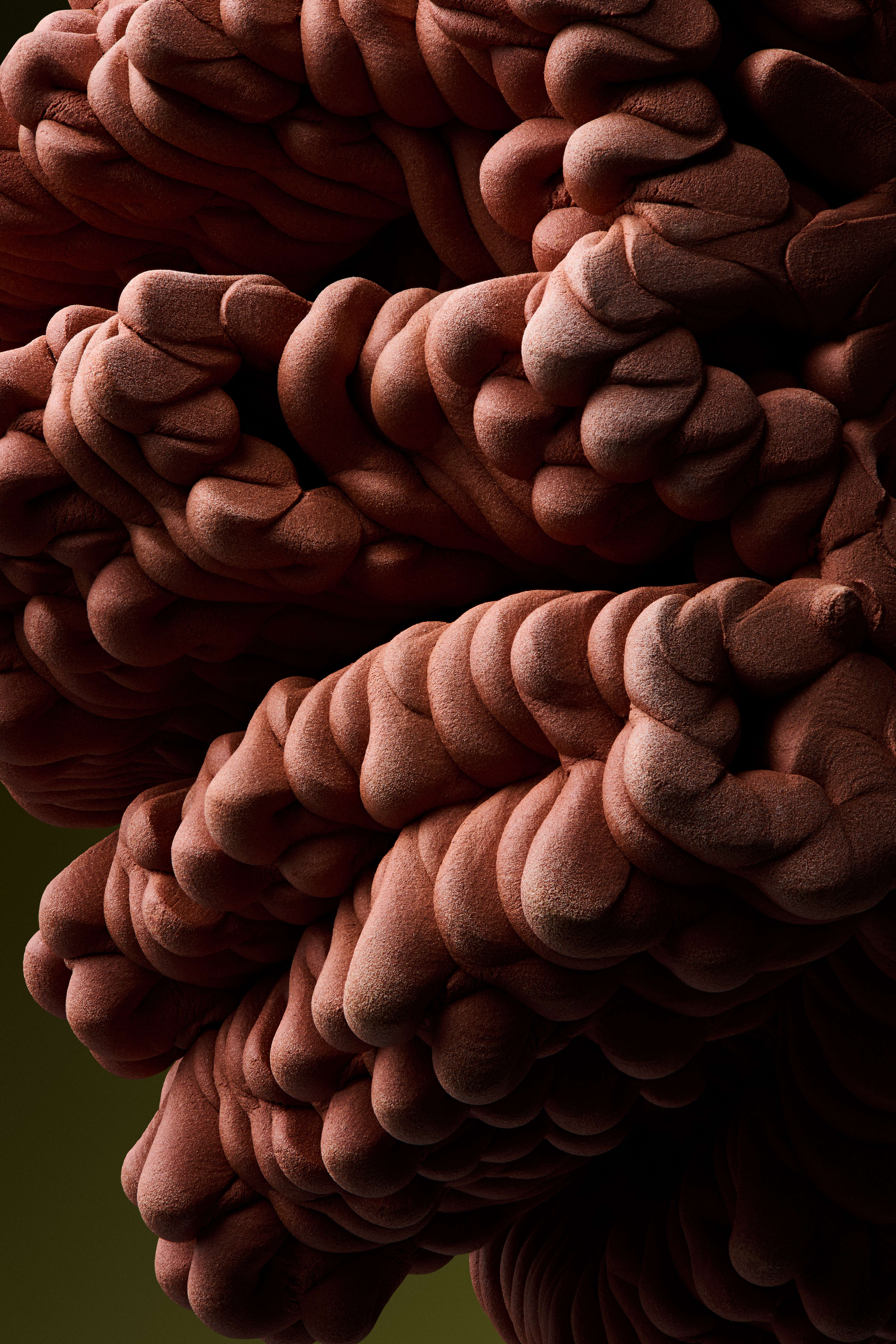
An industrial designer by training, Hazim founded Underbug to create habitats for insects in urban environments. Its towers are 3D-printed in clay and developed through observation and conversations with biologists, ecologists and entomologists. Each one responds to a particular place, its conditions and the insects living there. But Underbug is not only about making space for insects. It is also about making us notice them. Coco the ladybird, Chrissa the lacewing and Ansel the dragonfly have names, faces and personalities. Through humour and a slightly punk approach to the familiar language of sustainability, Hazim turns overlooked creatures into characters we can remember. The result is a practice somewhere between industrial design, ecology and storytelling, one that asks what happens when we stop designing only for ourselves.
We spoke with Hazim about how insects entered his practice, what the first towers taught him, why clay became such an important material, and what changes when we begin to look at a garden from the point of view of the creatures living in it.
You studied Industrial Design. How did insects become the focus of your work?
I studied Industrial Design at TU Eindhoven. It's a very creative but also technical study, and what I really missed was the connection with nature and biodiversity. So, with my technical background, I started thinking about how I could use technology to help nature. I started quite broadly, talking to biologists and ecologists, and that's how I eventually came across insects. When I first started, I spoke to an entomologist who told me: “Just make something for bees.” And I thought, why bees? Why not look at all the other insects as well? That made me realise how much attention we give to certain species, while so many others are simply overlooked. That's what made me want to focus on them.
So the project started with a question of who gets designed for and who gets left out?
Exactly. Bees and butterflies get a lot of attention because they're beautiful and recognisable. But there are so many other insects that are incredibly important and that almost nobody talks about. I wanted to make those forgotten insects interesting. Make them a little bit sexy again. That's really where Underbug comes from. The name is about the underdogs - the species that are overlooked.
Once you started looking at insects, what did you learn they actually need?
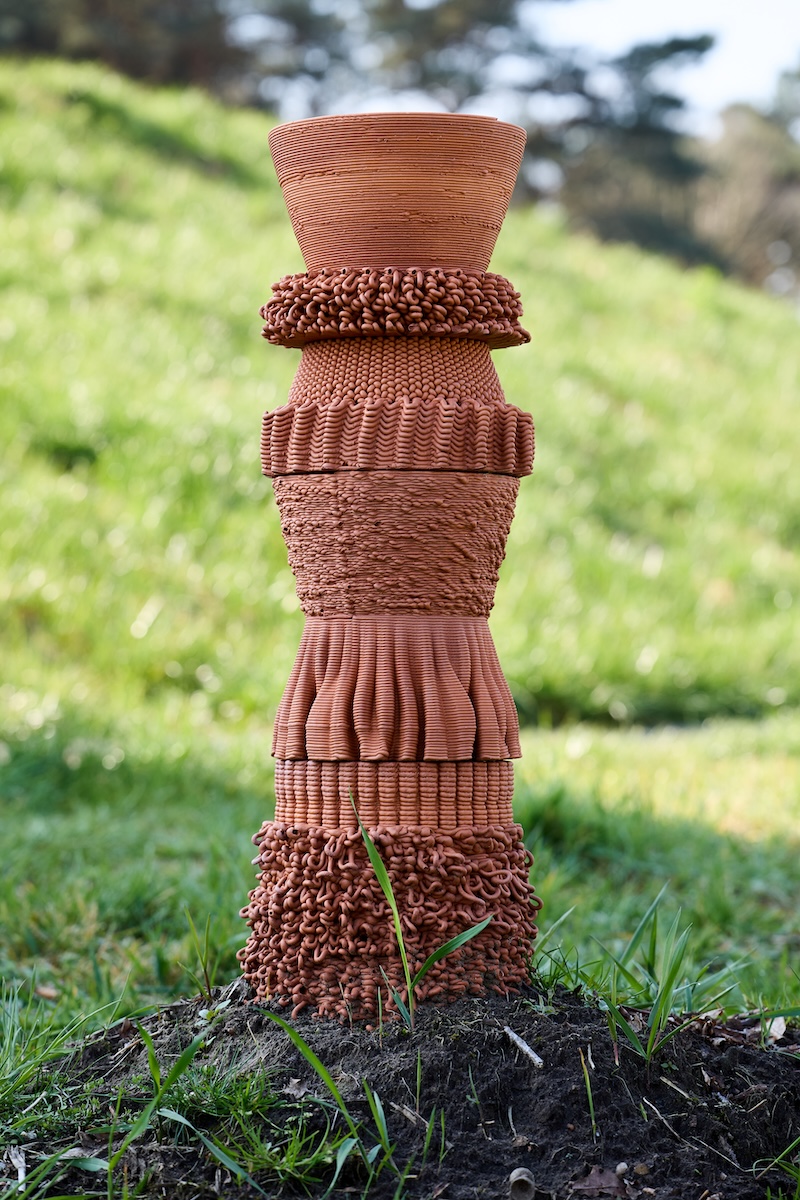
The answer is surprisingly simple: water, food and shelter. I wanted to combine those three things in one structure. The tower is made up of different modules, each with a different structure; cavities, cracks, cocoons and different surfaces. Every insect has its own preferences.
The outside can provide shelter, while the inside can be filled with organic material from the surrounding environment. There is also a water-catching cup at the top, but I try to retain water in different parts of the tower so insects can access it directly.
Clay holds heat very well too, so insects can use the tower to warm themselves. Some of the water-collecting surfaces are glazed so they shimmer in the sun. Many insects fly high and use reflections to locate water.
So something that looks like an aesthetic decision can actually be based on insect behaviour.
Exactly. A lot of the decisions are like that. I'm a designer, not an entomologist, so I have to work with people who understand insects. I ask questions, observe what happens and then translate that into spatial and material decisions.
And the more you observe, the more you realise how little you know.
You call the towers prototypes. What did the first one teach you?
The first tower was installed in June 2025, and I could immediately see things that worked and things that didn't. The second tower is 2.15 metres high. I made more enclosed rooms because I saw that insects often want to hide and avoid natural predators.
I added water collection to the outside because I noticed much more insect activity around the water cup than I expected. I even saw insects drinking directly from the clay. Plants were also integrated into the structure, using species from the local environment. So with each version, I’m trying to respond to what I see happening around the tower.
So the insects are effectively giving you feedback?
Yes. That's what I like about it. The towers are not finished objects in the conventional sense. You make something, you put it into an environment and then the environment takes over. Every location is different. I look at what insects are there, what they need, what is missing, how much shade there is, whether there is a road or a river nearby, what kind of plants are around.
About 80 percent of the work happens before I start printing. It's environmental research, understanding the needs of the insects, thinking about water, shelter and plants, and figuring out how all those things can work together. The printing is almost the last step.
Was that why clay became important to you?
It actually started quite randomly. At university I had access to a clay 3D printer, and I became interested in what the material could do. Clay is porous, so it can hold water. It holds heat. And 3D printing allows me to make forms that would be difficult to produce through conventional moulding. It also means that every piece can be different.
The towers may look like a system, but they are not mass-produced objects where every part is identical. I can change the modules according to the environment and the species I'm designing for.
You also gave some of the insects names, faces and personalities. Why was that important?
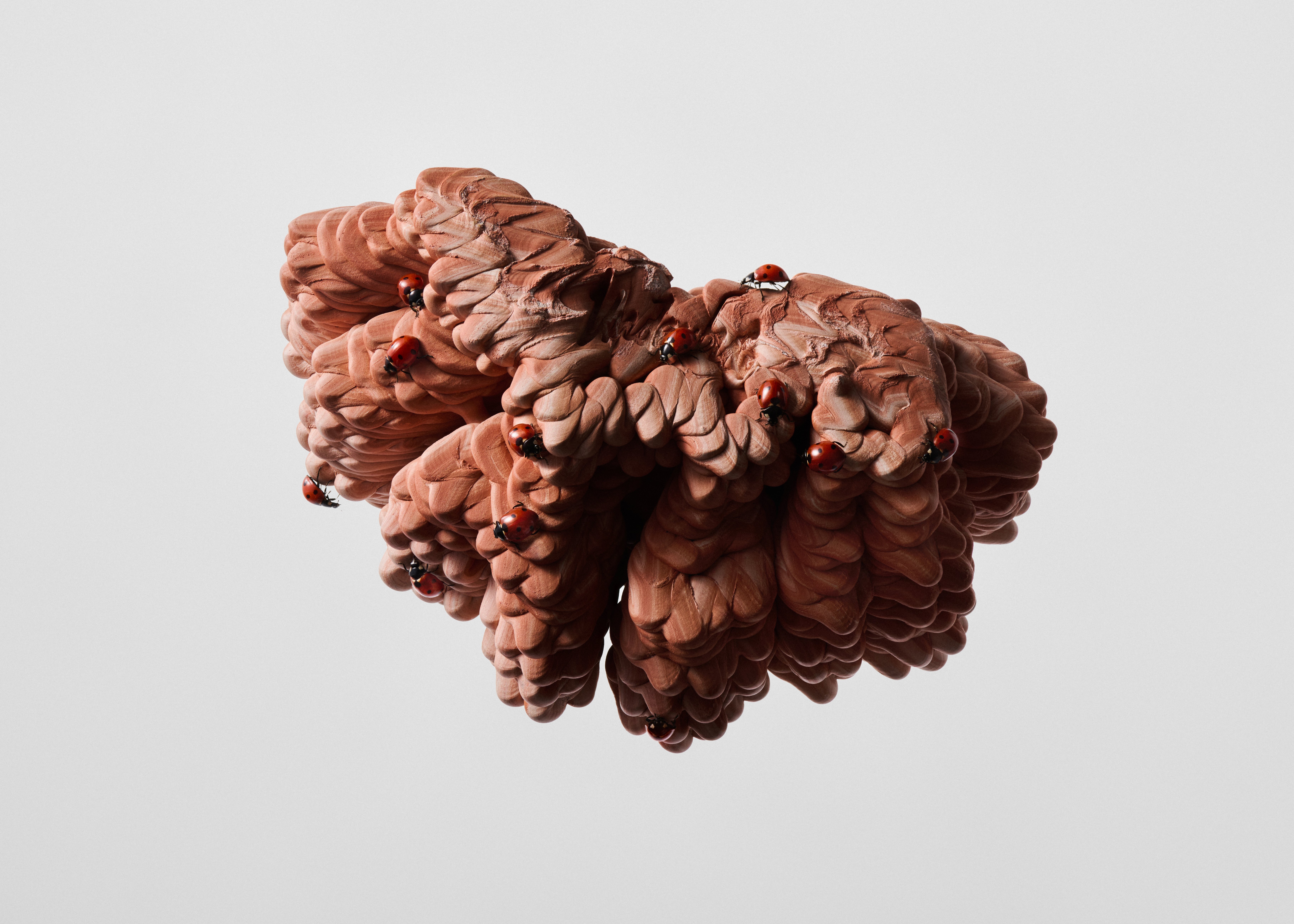
People tend to forget things that they don't notice. Insects have their own world. They live right next to us, but most of the time we don't see what is happening there. Giving them personalities makes that world easier to enter. Suddenly you recognise a character. You remember it. You want to know what happens to it. It makes people want to help.
There is also a strong sense of humour in Underbug, and the visual identity is quite different from the usual language of sustainability.
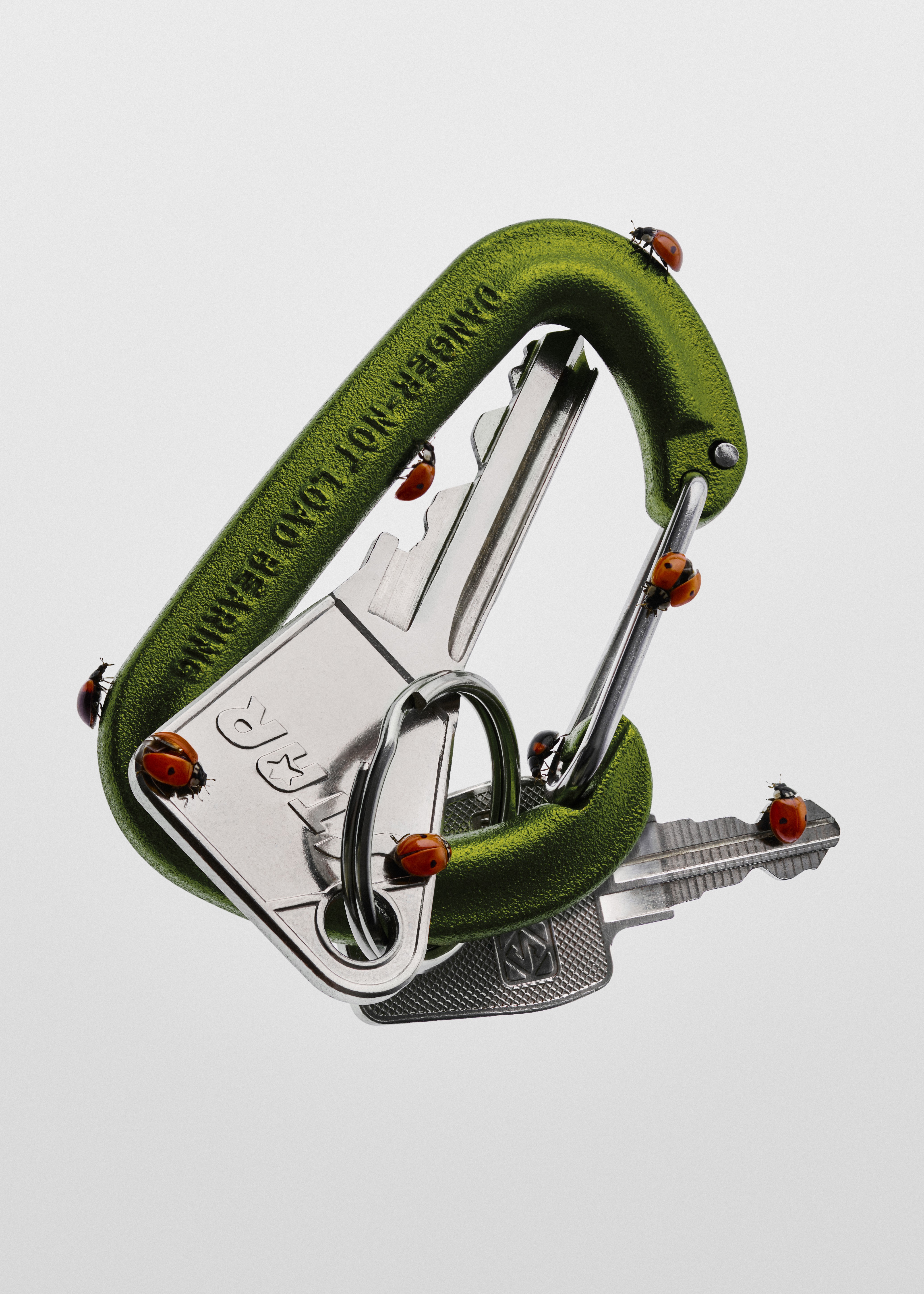
Yes. A lot of sustainability branding feels very similar to me — pastel colours, green leaves, something very safe. I wanted something different. For me it was sustainability, but punk. Twiceshy, a branding agency, worked on the branding, and that was important because I didn't want the project to look like another predictable environmental initiative. The insects themselves are already strange and funny. I wanted the identity to have some of that personality too.
You are designing for a community that you cannot interview. Does that change what “design” means to you?
I think it changes where you start. Normally, as a designer, you might begin with a problem and then develop an object to solve it. Here, I have to begin with the environment. What is already there? What is missing? What species are using the space? Where do they drink? Where do they hide? What do they eat? And then I try to create combinations that make sense. The object comes later.
Underbug is particularly interested in urban environments. How does designing for insects in the city change the way you approach the work?
Because cities are losing space for insects. A forest already has many of the things insects need. Cities don't. There are fewer places to drink, hide, feed and reproduce. I'm also exploring the idea of creating stepping stones for insects, places where they can stop, rest and drink as they move through the city. Depending on the species and the surrounding environment, some insects can travel several kilometres. So even a relatively small intervention can become part of something larger.
If we looked at a garden from an insect's point of view, would it look very different from the garden we normally design?
Probably. The best thing you can do is let it become a little wild. An ecologist once told me: “What you need to create is an organised mess.” Natural insect habitats are messy. Fallen leaves, pieces of wood, dirt, dead plants; all of these things have a function. We remove them because we think a garden should look tidy. But if you want insects in your garden, you have to leave some of that mess alone.
Is that something you would encourage gardeners and garden designers to think about?
Yes. Don't be too clean. Let part of the garden go wild. Leave the leaves. Leave some dead material. Let plants flower and finish their cycle. You don't necessarily need to buy anything.
What is the strangest thing an insect has taught you?
That they can be living right next to each other without even seeing each other. A predator and its prey can walk right past one another without noticing. They occupy the same space, but they live in completely different worlds.
I also learned about the common bagworm. Its larva is sticky, so as it moves around it picks up dirt and pieces of material and builds its cocoon from them. It basically carries its own home around with it. From the outside, it can look like a piece of dirt rather than an animal.
Those are the kinds of things I discover by talking to scientists and watching how insects interact. It's a very nerdy subject, but that's what makes it so interesting.
The towers themselves are not the solution. So what are you really trying to change?
The towers are small interventions that create some breathing room for overlooked life. They are designed to offer shelter, access to moisture and different spaces for insects and other small arthropods. In the tower I've monitored, I've observed them using those spaces in different ways. I don't think one object is going to solve the decline of insects, but creating many different tiny places for them can help.
And it's not only about making something. It's also about talking about it, making these forgotten creatures visible and giving them a place in our culture. Because ultimately this isn't only about insects. It's about the environments we create for ourselves, too.
Where do you want to take Underbug next?
I definitely want to stay with insects. There is such a big world there, and there is still so much to discover. I want to make more towers and new designs, research them out and obtain more data to make better and more fitting work for the insects.
Atlas Garden x Shams Hazim / Underbug
Creative Direction & Copy: Twice Shy
Video credits: Shams Hazim x Dellex
Cover photo: Twycer